

EDITOR'S NOTE This is one of Meek Sun's foundational arguments: America's industrial heartland was not abandoned because its people failed. Policy, capital and national priorities moved on while working communities were left with the bill.
The Rust Belt. The very name evokes images of decaying factories, abandoned towns, and the remnants of an industrial empire that once powered the greatest nation on Earth.
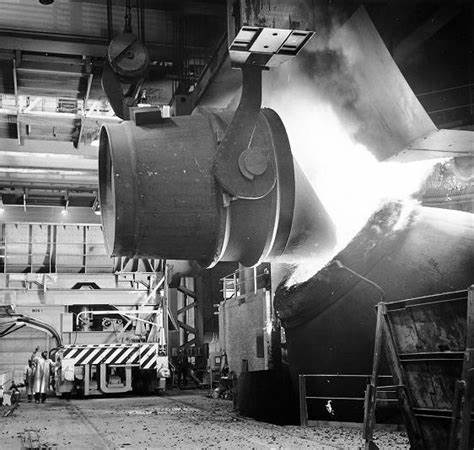
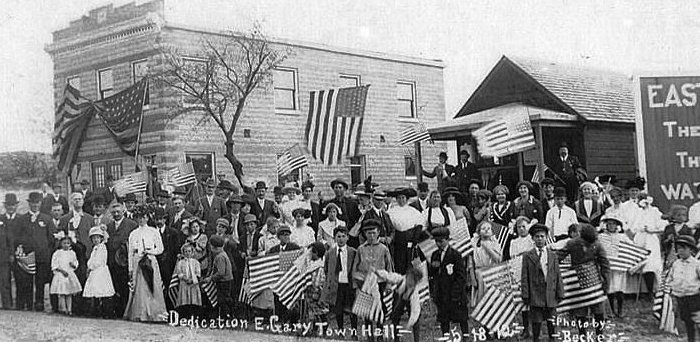
But before the rust set in, this region was known as the Steel Belt—a powerhouse of American industry where cities like Cleveland, Detroit, and Pittsburgh stood as symbols of progress, prosperity, and the American Dream.
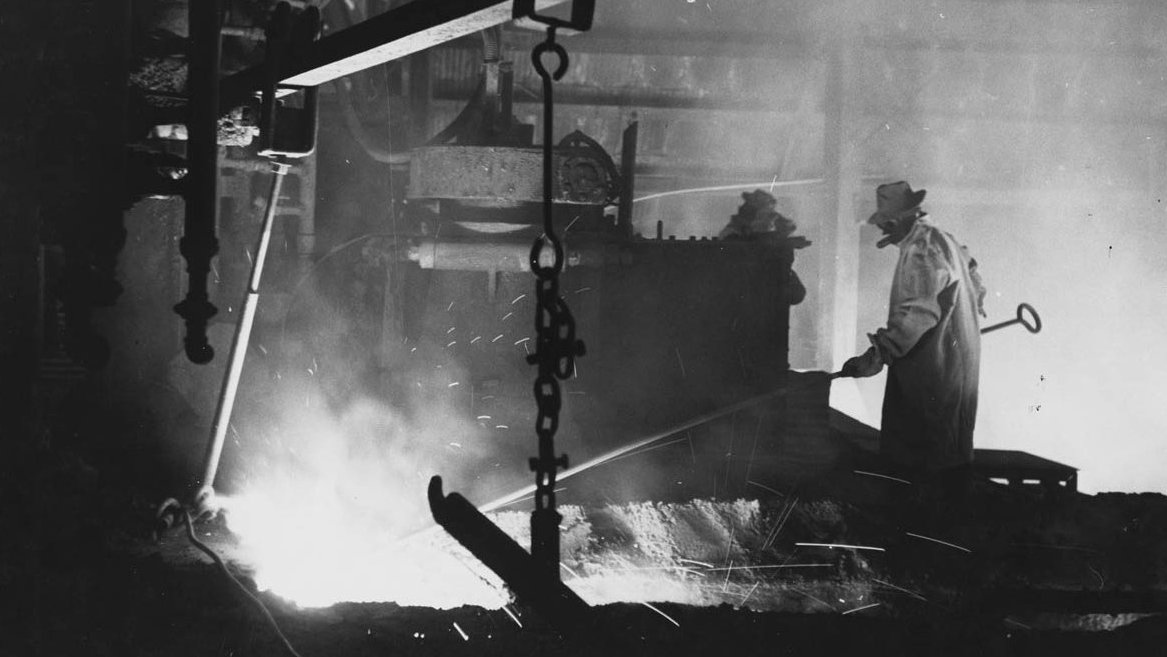
In the early 20th century, these cities were the engines of America's economic might. Steel flowed from the mills, automobiles rolled off assembly lines, and the people who called this region home found pride and purpose in the work they did. They built America, brick by brick, beam by beam.
It was a time when the American Dream felt tangible—when hard work could lift entire communities into prosperity.
VICTORY CAME WITH A BILL.
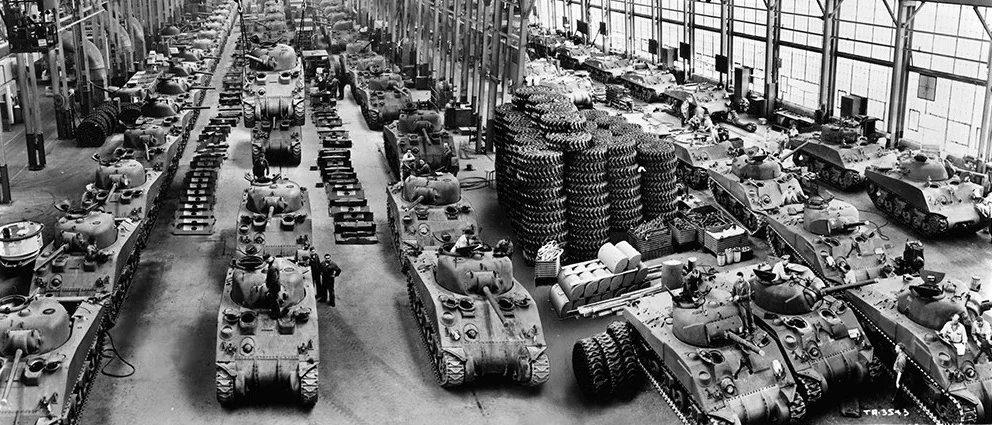
But history has a way of turning fortune into misfortune. The Lend-Lease program during World War II, though necessary to defeat the Axis powers, planted the seeds of decline in America's heartland.
As factories pivoted to meet the demands of war, they stretched beyond their limits. After the guns fell silent, these same industries found themselves drained, unable to return to their former glory.
The government's focus shifted overseas, to rebuilding Europe and securing the world, while the industrial centers that had made victory possible were left to fend for themselves.
THE MACHINES STOPPED.
THE SILENCE DIDN'T.
In the decades that followed, the Steel Belt transformed into the Rust Belt. Factories closed, jobs vanished, and the American Dream slipped further out of reach for millions of working-class families.
The pride that once defined these communities turned to despair as globalization, automation, and economic shifts left the region in the dust.
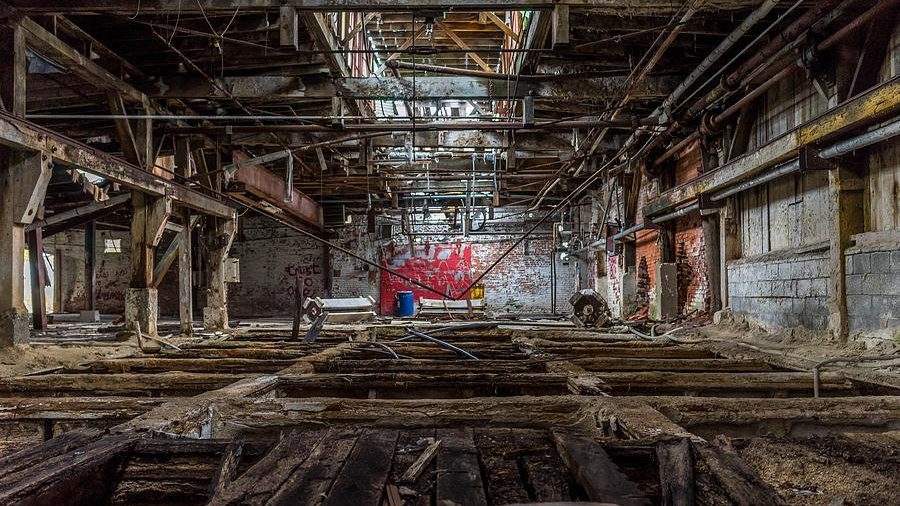
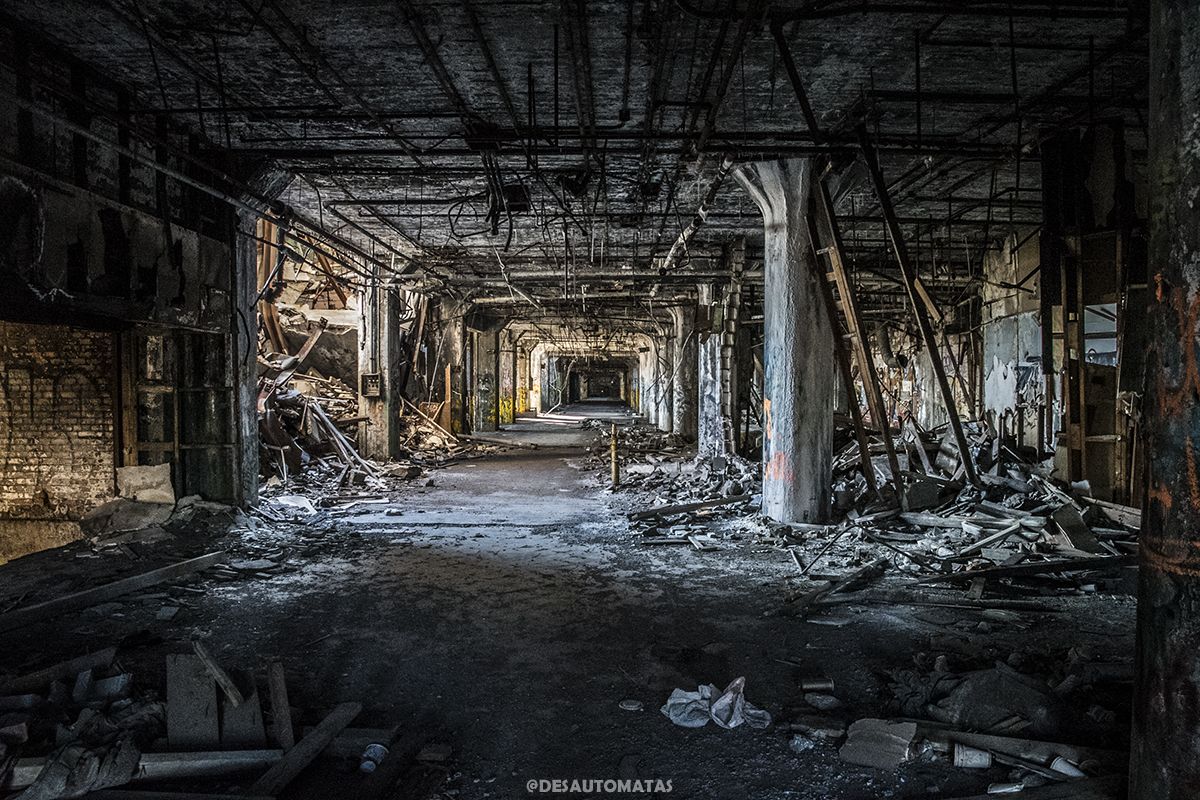
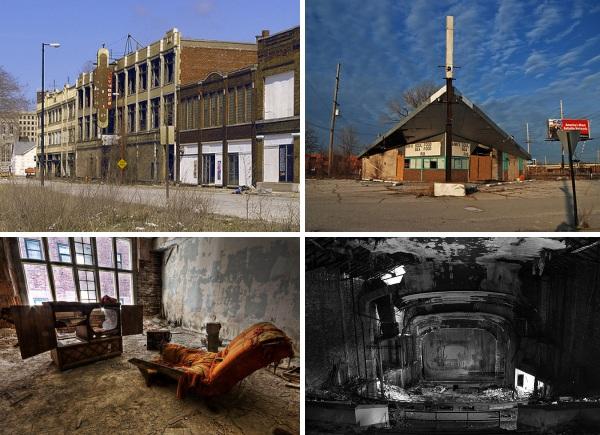
The streets where prosperity once thrived became corridors of decay, the echoes of industry replaced by silence.
RUST IS NOT THE SAME THING AS DEATH.
Yet, even in the shadow of decline, the spirit of the American Dream persists. The Rust Belt, though battered and bruised, is a testament to resilience. It reminds us that the American Dream is not just about prosperity, but about the struggle, the perseverance, and the hope that one day, through grit and determination, we can rebuild what was lost.
The steel that once built this nation may have rusted, but the heart of America remains strong. As we look to the future, we must remember the lessons of the Rust Belt. We must invest in our own communities, prioritize American workers, and forge a new path that honors the hard work and sacrifices of those who came before us.
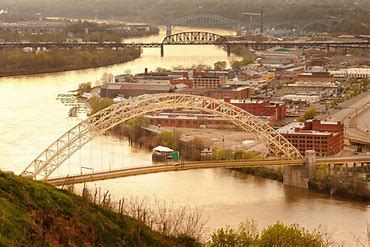
It is waiting, dormant, in the factories, towns, and people who refuse to give up.
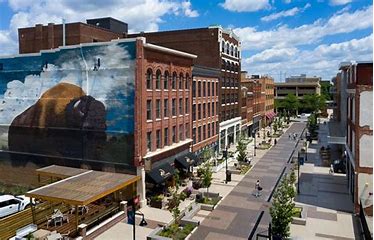
The Rust Belt may bear the scars of a forgotten era, but the American Dream endures. And with the right vision, it can rise again, brighter and stronger, to reclaim its place as the beating heart of a nation built on hope, hard work, and the unbreakable belief in a better tomorrow.