

 RV–001
Desert Strike
The 16-bit war game that made every gallon of fuel feel like a decision
It looked like an action game. It behaved like a battlefield logistics problem with rotor blades.
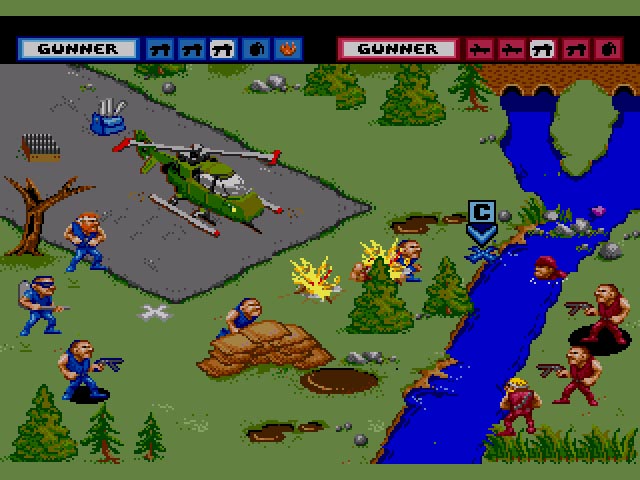
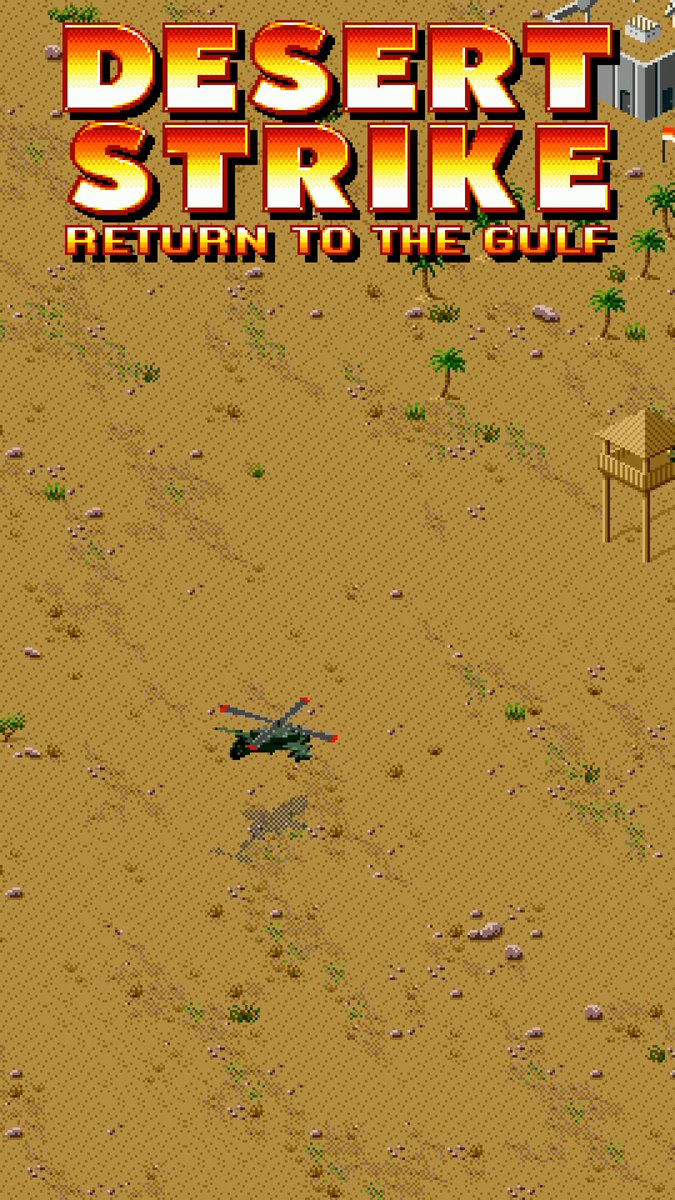
Desert Strike made 16-bit hardware feel smarter, heavier and more serious than anyone expected. Its isometric attack helicopter could cross the map quickly, but speed was never the same thing as freedom. Fuel, armor and ammunition were always shrinking, and every objective forced a choice about what could be reached, what could be rescued and whether there was enough left to make it home.
That tension was the real design. Charging into a compound usually meant wasting missiles, absorbing damage and discovering too late that the next fuel drum was farther away than the gauge allowed. Good play required reconnaissance, route planning and restraint. The game disguised a compact simulation beneath an arcade silhouette—and trusted the player to learn through consequence.
It proved a console action game could create strategic weight without menus swallowing the screen.
The resource loop, open-objective maps and feeling that every rescue changes the plan.
The perspective and deliberate movement can feel severe beside modern twin-stick action.